
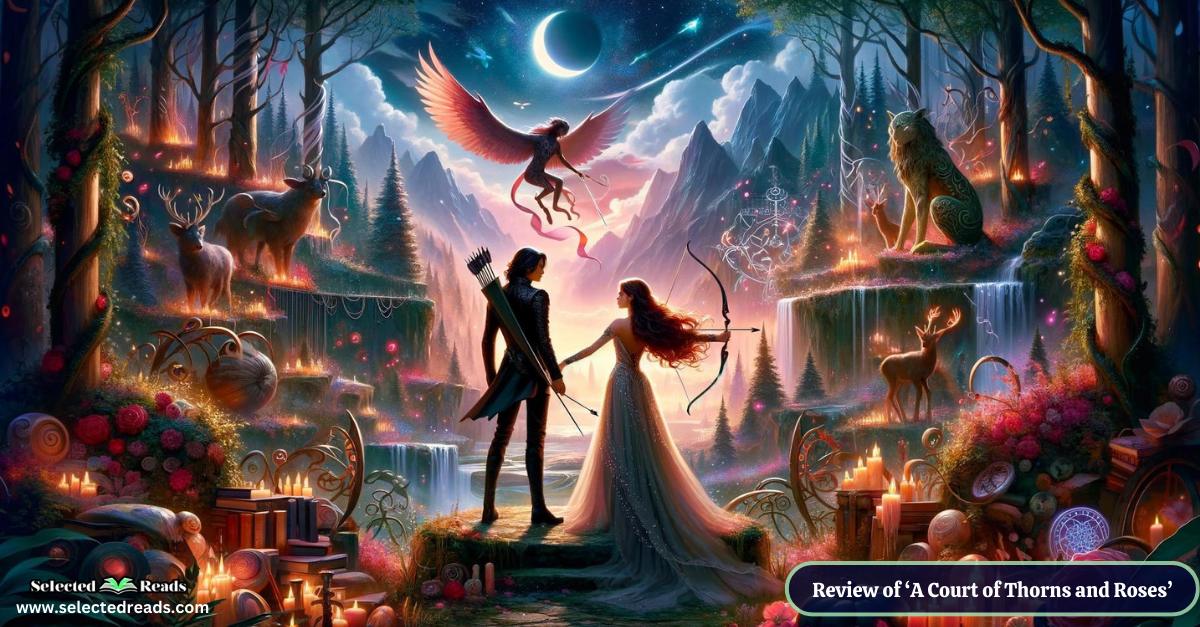
In today’s post, we’re diving into the captivating world of Sarah J. Maas’s “A Court of Thorns and Roses,” a novel that masterfully blends elements of fantasy, romance, and adventure. This first installment in a series of the same name has enthralled readers globally with its rich storytelling and complex characters.
We’ll start with a brief summary of the novel to set the stage. For those unfamiliar with the story, this will give you a glimpse into the intriguing world Maas has created. We’ll explore the journey of Feyre, a young huntress whose fateful action of killing a wolf in the woods catapults her into a life-altering journey in the faerie realms.
Following the summary, we’ll delve into the characters that bring this story to life. From the resilient Feyre to the enigmatic Tamlin and the witty Lucien, each character is a vital thread in the narrative’s tapestry. Their development, relationships, and the challenges they face add depth and complexity to the tale.
Lastly, for those of you who love delving deeper into the themes and nuances of a novel, we’ll propose some thought-provoking book club questions. These questions are designed to stimulate discussion and provide different perspectives on the book’s themes, character motivations, and the richly built world.
A Court of Thorns and Roses Summary
“A Court of Thorns and Roses,” authored by Sarah J. Maas, is a captivating blend of romance, fantasy, and adventure that has garnered immense popularity. This novel, the first in its series, has received high ratings, reflecting its widespread appeal.
The story centers around Feyre, a 19-year-old huntress, whose life takes a dramatic turn when she kills a wolf in the woods. This act triggers a chain of events that thrusts her into the midst of a world she has only known through legends. Feyre finds herself taken to a magical, yet perilous land of the Fae, ruled by immortal faeries. The creature demanding retribution for the wolf’s death turns out to be one of these faeries, named Tamlin.
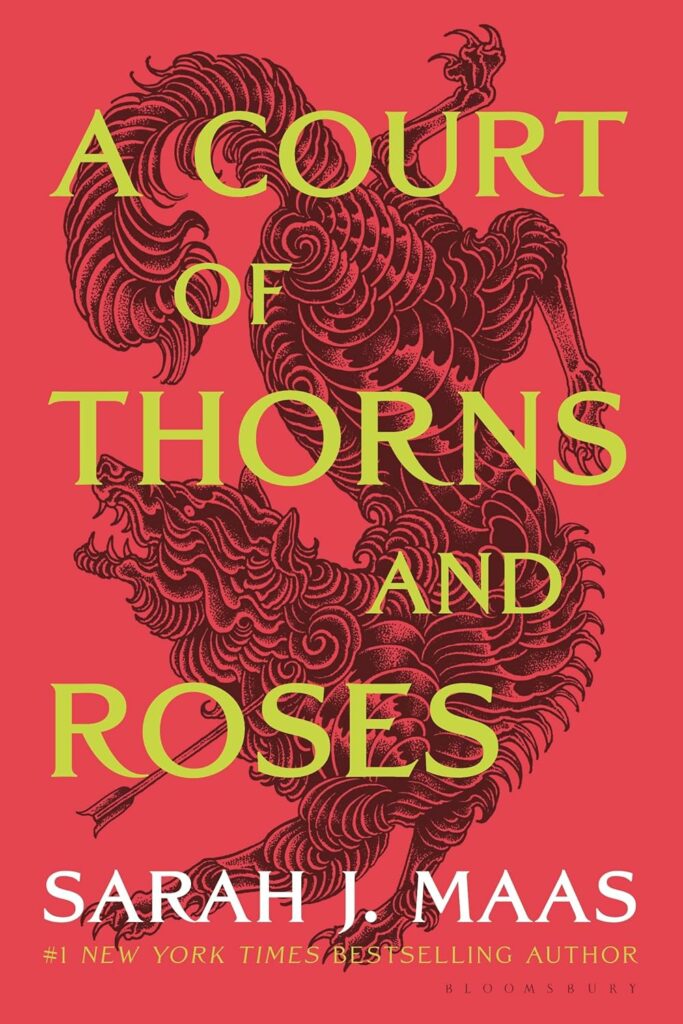
Photo: Amazon
Initially, Feyre’s relationship with Tamlin is marked by hostility and fear, but as she spends more time in the faerie lands, her feelings evolve into a passionate romance. This emotional journey is set against the backdrop of a beautiful yet dangerous world, rich in faerie lore and intrigue.
However, beneath the surface of this seemingly enchanting realm, a dark and ancient force is at play. This wicked presence threatens to engulf the land in shadow and destruction. Feyre, who finds herself deeply entwined in this world and with Tamlin, must uncover a way to halt this growing evil. The fate of Tamlin and his world hangs in the balance, dependent on Feyre’s ability to confront and overcome this looming threat.
Sarah J. Maas has skillfully woven a tale that is not just a narrative of love and magic, but also one of personal growth and resilience. The book has resonated with readers for its dynamic characters, particularly Feyre, who is portrayed as a strong, evolving protagonist. Her journey from a mere huntress to a key figure in a world brimming with ancient magic and looming threats is both gripping and emotionally charged.
The novel has been praised for its imaginative world-building, blending elements of traditional faerie tales with unique twists. The vivid descriptions of the faerie lands, coupled with the complex relationships and political intrigue, make “A Court of Thorns and Roses” a standout in its genre.
As an educator and lover of books, this novel strikes me as a fantastic recommendation for young adults and fans of fantasy. Its themes of empowerment, love, and facing one’s fears are universally relevant, making it more than just a fantastical tale. It’s a story about finding one’s strength in the most unexpected places and the transformative power of love and courage.
A Court of Thorns and Roses Characters
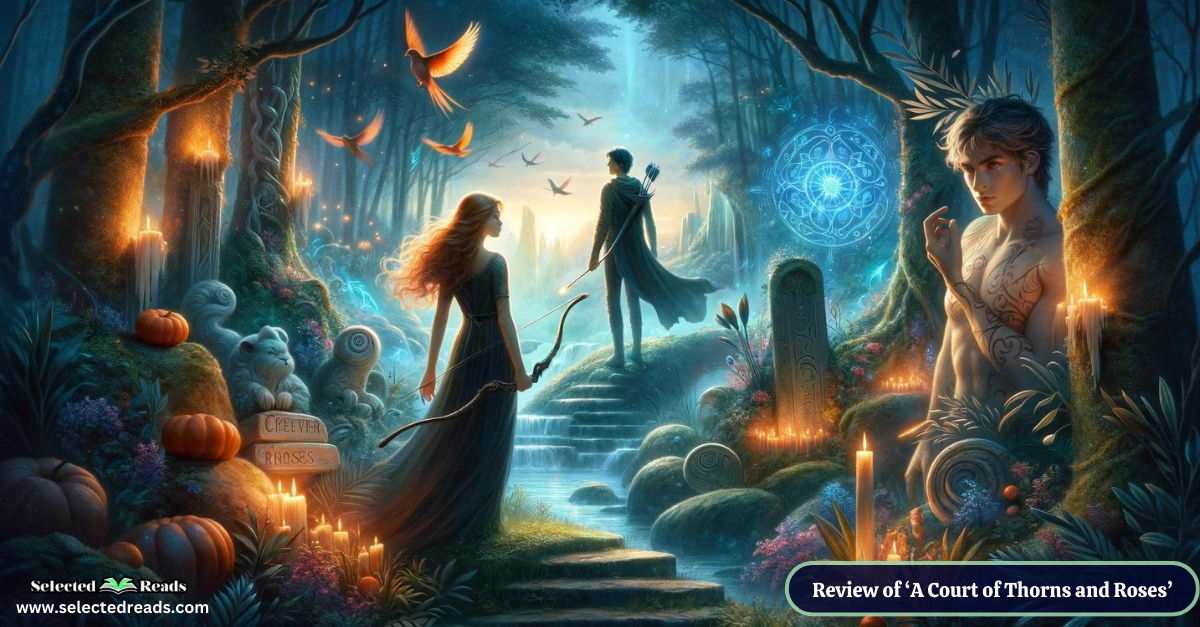
“A Court of Thorns and Roses” by Sarah J. Maas is rich with intriguing and complex characters, each adding depth to the enchanting narrative. Here’s a closer look at some of the key characters:
- Feyre Archeron: The protagonist, Feyre is a young human huntress who becomes entangled in the faerie world after unknowingly killing a faerie in wolf form. Her character is marked by her resilience, resourcefulness, and evolving strength. As she navigates the faerie realm, her character undergoes significant growth, transforming from a mere survivalist to a key figure in the faerie world.
- Tamlin: A High Fae and the lord of the Spring Court, Tamlin initially appears as a beastly creature demanding retribution for the wolf’s death. He is a complex character, embodying both the ferocity typical of faeries and a gentler, more protective side, especially towards Feyre. His relationship with Feyre evolves from captor and captive to something deeper and more affectionate.
- Lucien: Tamlin’s emissary and a close friend, Lucien is a witty and somewhat sarcastic character. He initially regards Feyre with suspicion and hostility but gradually becomes an ally and a source of support. His background and experiences add an additional layer of complexity to the story.
- Rhysand (Rhys): The enigmatic and cunning High Lord of the Night Court. Rhysand’s character plays a pivotal role as the series progresses, but in the first book, he is introduced as a mysterious and ambiguous figure whose intentions are not always clear.
- Amarantha: The antagonist of the story, Amarantha is a powerful and cruel faerie who poses a significant threat to the faerie realms. Her actions drive much of the plot’s conflict and tension, as she holds a deep grudge against the faeries of the land, especially the High Lords.
- Nesta and Elain: Feyre’s sisters, who, despite their initial minor roles, grow in significance as the series progresses. Their relationships with Feyre are complex, marked by love, resentment, and mutual dependence.
Related: Confess Colleen Hoover Summary and Characters
A Court of Thorns and Roses Book Club Questions
Here are some questions that can spark engaging discussions:
- Character Analysis: How does Feyre’s character evolve throughout the story? Discuss the challenges she faces and how they shape her development. Does her growth reflect broader themes of resilience and self-discovery?
- Themes of Love and Sacrifice: How are love and sacrifice portrayed in the novel? Consider the relationships between Feyre and Tamlin, as well as other characters. What do these relationships say about the nature of love and the sacrifices it often entails?
- World-Building and Setting: Sarah J. Maas creates a rich, fantasy world in this novel. How does the setting contribute to the overall story? Discuss the depiction of the faerie realms and how they compare to traditional faerie lore.
- Moral Ambiguity: Many characters in the book, including Tamlin, Rhysand, and even Feyre, exhibit morally ambiguous traits. How does this ambiguity affect your perception of the characters and their decisions? Does it make the characters more realistic?
- The Role of Power and Politics: Power dynamics play a significant role in the story. How do power struggles, both personal and political, drive the narrative? Consider how different characters wield power and to what end.
- Antagonist’s Motivation: Amarantha is a key antagonist in the story. What are her motivations, and how do they contribute to the plot
Final thoughts
In conclusion, “A Court of Thorns and Roses” is not just a fantasy novel; it’s a journey through a labyrinth of emotions, growth, and resilience. Besides creating a world of magic and fairy tales, Sarah J. Maas has also developed a narrative that resonates with themes of love, sacrifice, and the journey of self-discovery. Whether you’re a fan of fantasy or exploring this genre for the first time, this book offers a compelling narrative that promises to engage and provoke thought.