
For enthusiasts of gripping and socially relevant narratives, “All American Boys” is an ideal read. This post is dedicated to introducing readers to this compelling work without venturing into spoiler territory. My exploration will unfold in three distinct segments: Initially, I’ll outline the core narrative of the novel, offering a glimpse into its plot and thematic essence. Subsequently, I’ll delve into the intricate tapestry of characters that breathe life into its pages, providing depth and context to the story’s critical discourse. To conclude, I will present a series of stimulating questions designed for book club discussions, aiming to enrich your engagement with the text and facilitate meaningful dialogue around its central themes.
All American Boys Summary
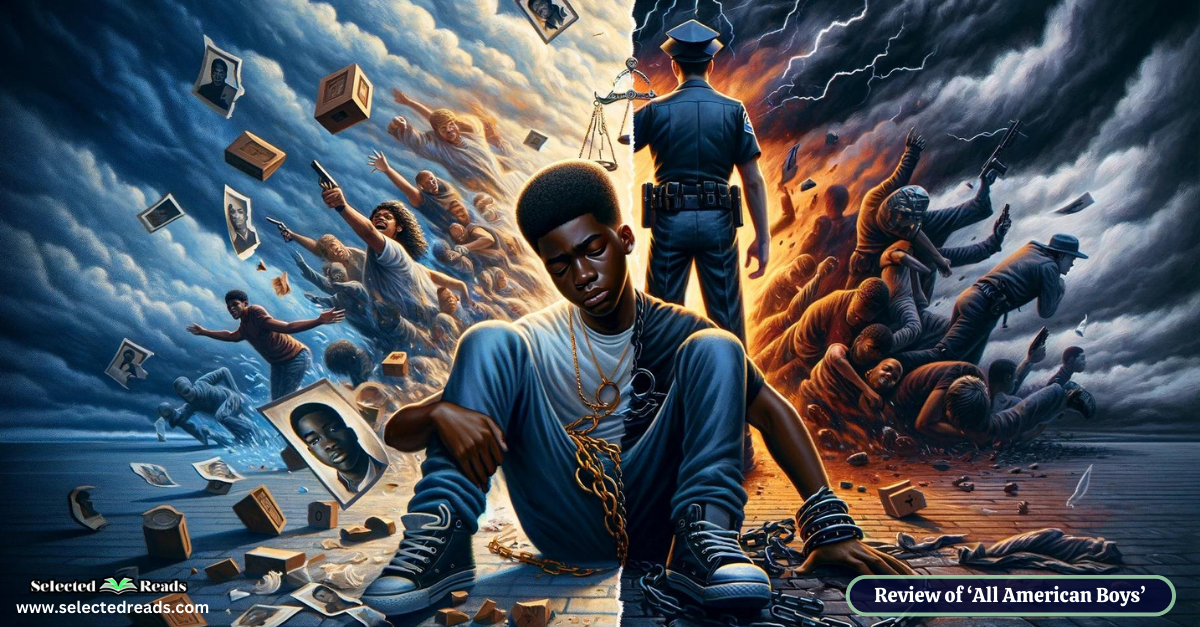
“All American Boys” is a profound and timely novel that belongs to the Young Adult genre. The novel centers around the heart of racial tensions in the United States through the eyes of two high school boys, Rashad Butler and Quinn Collins. Rashad, an African American teen, becomes a victim of police brutality in an incident that escalates from a misunderstood situation in a corner bodega. Quinn, who is white, witnesses the brutality inflicted by a cop, Paul Galluzzo, who also happens to be a close family friend and the brother of his best friend.
The story begins with Rashad, who is falsely accused of stealing a bag of chips and is savagely beaten by Officer Galluzzo. Rashad’s pleas and attempts to explain himself are ignored, and the confrontation quickly spirals out of control, leaving Rashad severely injured and hospitalized. The incident is caught on video and quickly spreads across the media, igniting widespread outrage and debate within the community.
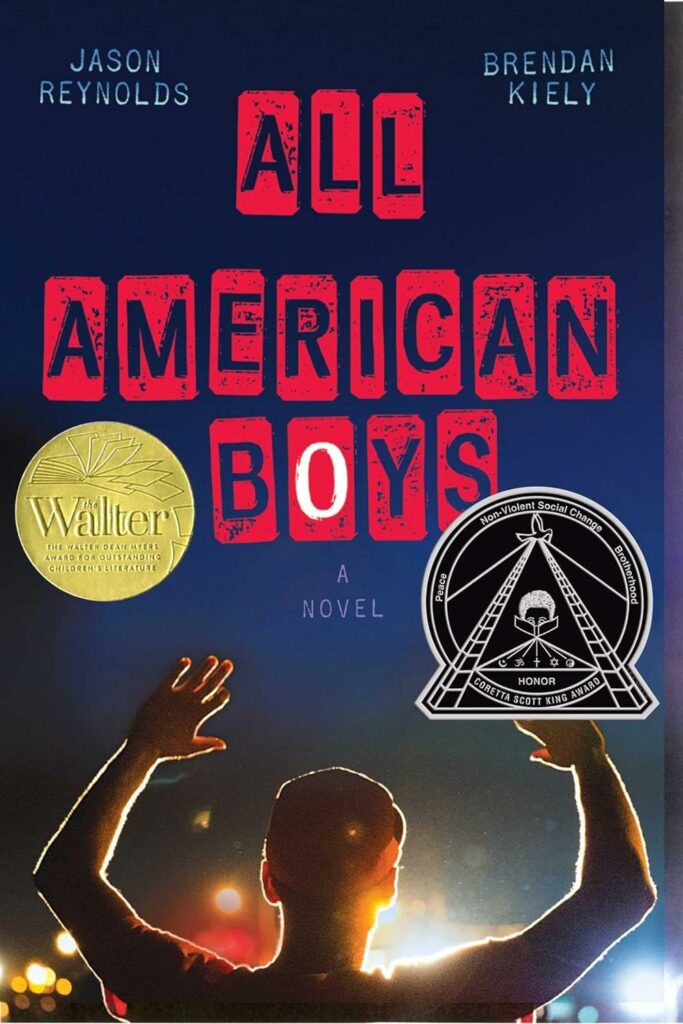
Photo: Amazon
Quinn, who had always looked up to Officer Galluzzo, is torn between his loyalty to the man who has been like a father figure to him and his horror at witnessing such an unjust act. He struggles with the realization that someone he admired could commit such violence and grapples with his own place within a society that allows such injustices to occur.
As Rashad recovers in the hospital, he becomes a symbol of the fight against racial injustice, a role that he is reluctant to embrace at first. Meanwhile, Quinn must decide whether to speak out against what he saw, despite the potential backlash from his community and the impact it may have on his relationships.
The novel alternates between Rashad and Quinn’s perspectives, providing a nuanced exploration of their individual struggles and the broader issues of racial bias, police brutality, and the quest for justice. Their school and the entire community become deeply divided over the incident, with tensions running high and protests mounting.
As the story unfolds, both Rashad and Quinn are forced to confront their own beliefs and biases, and the choices they make will have significant implications for their futures. They navigate the complexities of friendship, family, and identity, all while trying to understand their roles in a society that is often fraught with inequality and division.
Related: Ruin And Rising Summary
All American Boys Characters
The central characters around whom the story revolves are:
- Rashad Butler: Rashad is a 16-year-old African American high school student and ROTC member who becomes a victim of police brutality. The incident sets off a chain of events that thrust him into the center of a national conversation about race, violence, and justice. Rashad’s journey through recovery, both physical and emotional, and his grappling with his newfound role as a symbol of resistance, provide deep insight into his character’s resilience and introspection.
- Quinn Collins: Quinn is a white high school student and a varsity basketball player who witnesses Rashad’s beating by a police officer, Paul Galluzzo, who is also Quinn’s family friend. Quinn’s internal conflict and his journey toward understanding his role in a racially divided society are central to the novel. His perspective offers a poignant look at the complexities of privilege, loyalty, and moral courage.
- Paul Galluzzo: Officer Paul Galluzzo is the cop who assaults Rashad, mistaking him for a shoplifter. Paul is also the older brother of Quinn’s best friend, Guzzo, and has been a father figure to Quinn since his own father’s death. His actions and the subsequent fallout raise questions about accountability, justice, and the deeply ingrained prejudices within the law enforcement system.
- Spoony Butler: Rashad’s older brother, who plays a significant role in supporting Rashad following the incident. Spoony is also actively involved in organizing protests and raising awareness about racial injustice, embodying a more direct form of activism compared to Rashad’s initially reluctant involvement.
- Jessica: A friend of Rashad’s, who becomes more involved in his life after the incident. Her perspective and support highlight the importance of community and understanding in navigating the aftermath of trauma.
- Guzzo: Paul Galluzzo’s younger brother and Quinn’s best friend. Guzzo’s reactions to the incident and his struggle to reconcile his brother’s actions with the brother he knows add another layer of complexity to the novel’s exploration of family loyalty versus moral righteousness.
- English Jones: Rashad and Quinn’s classmate and a fellow ROTC member, who becomes one of the voices advocating for Rashad and mobilizing the student body in protest. His involvement demonstrates the varying ways young people can use their voices to effect change.
All American Boys Book Club Questions
Here are some questions that could serve as a springboard for discussions:
- Exploring Themes of Identity and Perception: How do Rashad’s and Quinn’s encounters with police brutality and racial prejudice affect their sense of identity and perception of others? Discuss the evolution of their self-awareness and their views on race and justice throughout the novel.
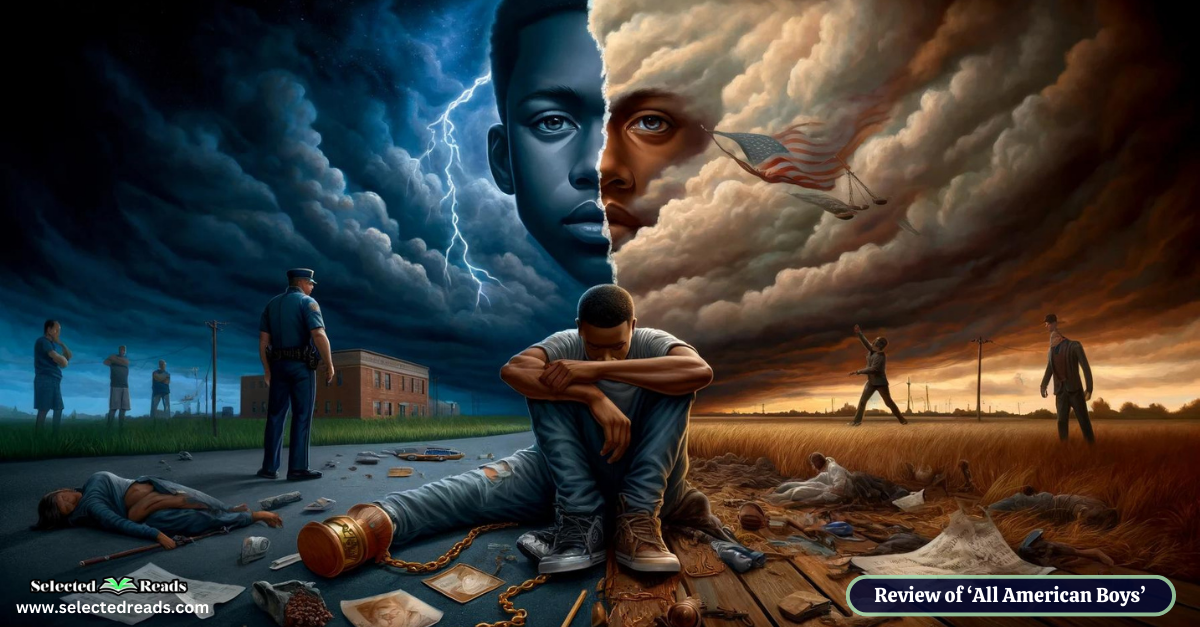
- Impact of Police Brutality: The incident of police brutality at the heart of “All American Boys” acts as a catalyst for the entire story. How does this event affect the community’s relationship with law enforcement and each other? Discuss the ripple effects of this single act on the town, the school, and the national conversation.
- Dual Narratives: The novel is told from the alternating perspectives of Rashad and Quinn. How does this narrative structure enhance the story? Discuss how the dual perspectives provide a broader understanding of the incident and its implications.
- Role of Family and Friendship: Both Rashad and Quinn navigate complex family and friend dynamics throughout the novel. How do these relationships influence their character development and their responses to the incident? Discuss the role of family and friendship in shaping our views on morality and justice.
- Social Activism and Personal Responsibility: “All American Boys” touches on themes of activism and the importance of standing up against injustice. How do Rashad, Quinn, and other characters demonstrate activism and personal responsibility? Discuss how the novel portrays the impact of individual and collective action.
- Racial Prejudice and Stereotypes: The novel delves into the themes of racial prejudice and stereotypes. How do these forces manifest in the lives of the characters, and how do they confront or succumb to them? Discuss examples from the book where prejudice and stereotypes play a crucial role.
- The Role of Art and Social Media in Activism: Rashad’s art becomes a significant element of his healing process and activism. Additionally, social media plays a crucial role in spreading awareness about the incident. Discuss the role of art and social media in activism and how they contribute to the novel’s narrative.
- Personal Growth and Understanding: Both Rashad and Quinn experience significant personal growth throughout the novel. Discuss the moments that you believe were pivotal to their development. How do their journeys contribute to the novel’s message about empathy and understanding?
- The Ending and Its Implications: Without giving away the ending, discuss your thoughts on the novel’s resolution. Do you think it offers hope, realism, or a mix of both? How does the ending contribute to the overall message of the book?
- Applying the Lessons: “All American Boys” presents many lessons about race, justice, and empathy. How can we apply these lessons to our own lives and communities? Discuss ways in which the novel has impacted your perspective on these issues.
Related: Beautiful Disaster Summary
Final thoughts
In wrapping up, I trust this concise overview has sparked your interest in “All American Boys.” This novel is a powerful exploration of contemporary societal issues that resonate deeply in today’s world. For those who haven’t yet delved into its pages, I wholeheartedly suggest you do. “All American Boys” offers an invaluable perspective on the complexities of race, justice, and empathy, making it a must-read for anyone looking to understand more about these critical issues.