
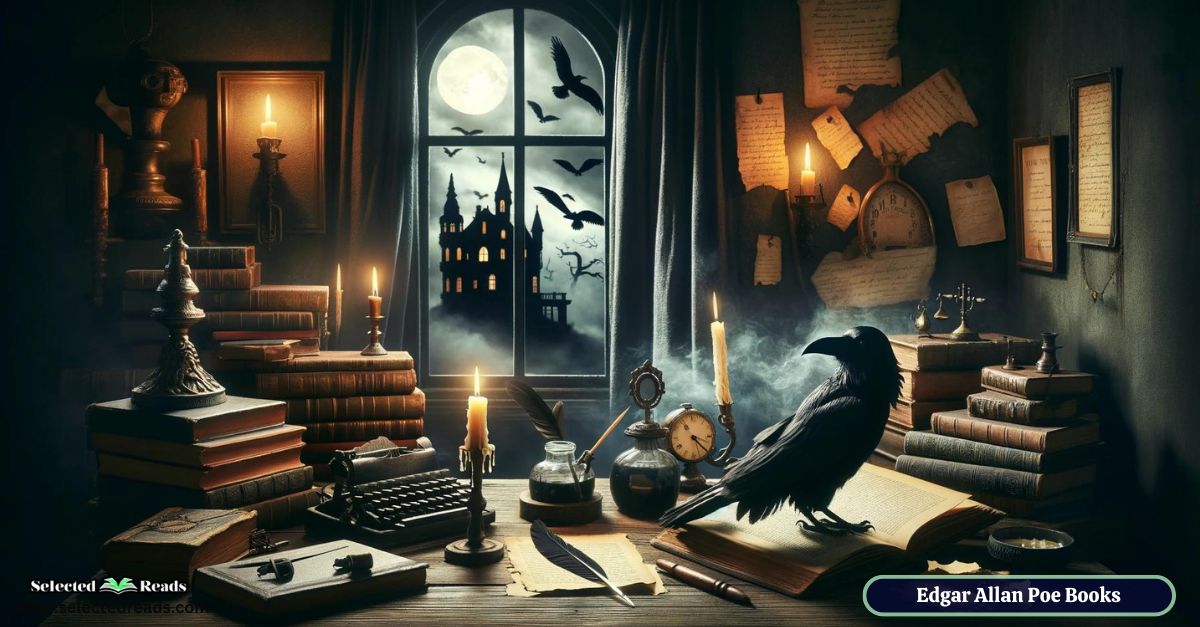
Edgar Allan Poe is widely regarded as one of the most influential writers in American literature. His works are known for their dark themes and exploration of the human psyche, often featuring death, horror, and mystery. From “The Raven” to “The Cask of Amontillado,” Edgar Allan Poe books and stories have captivated readers for centuries.
The purpose of this post is to introduce some of Edgar Allan Poe’s most famous works. We’ll give short summaries of these stories and poems to help readers understand why Poe’s writing is still important and interesting today.
Edgar Allan Poe Most Famous Books
Below is a collection featuring some of Edgar Allan Poe’s most famous books:
1. The Raven, by Edgar Allan Poe
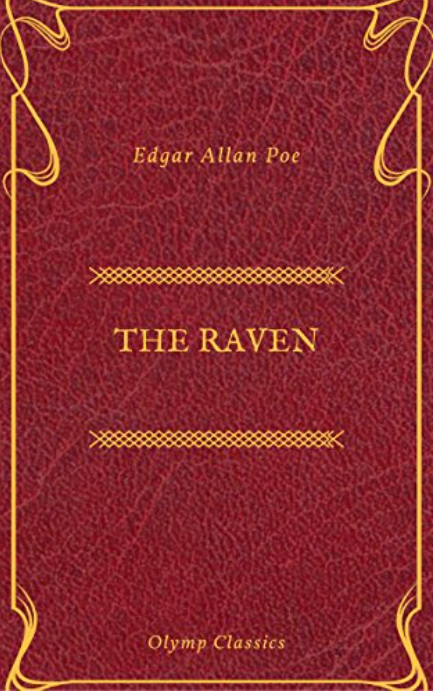
“The Raven” stands as a masterpiece of narrative poetry, where Poe intricately weaves the story of a grieving lover’s encounter with a mysterious raven. Through its repetitive ‘nevermore’, the bird drives the protagonist towards the edge of insanity, symbolizing unending sorrow and the inescapability of death. This piece is renowned for its musicality and haunting atmosphere, making it a timeless reflection on loss and despair.
2. The Premature Burial, by Edgar Allan Poe
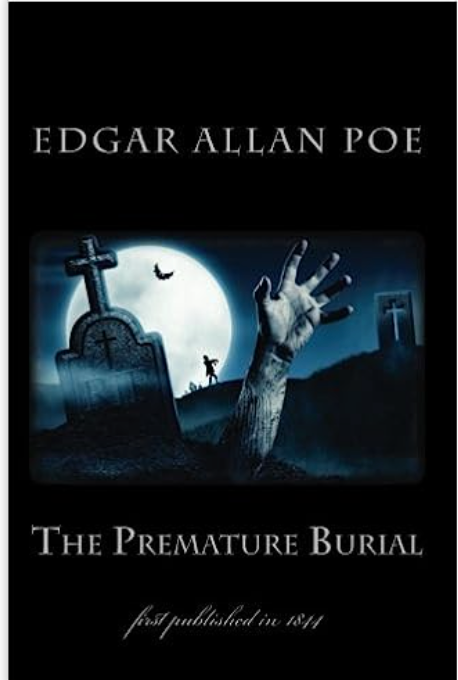
This chilling story taps into one of humanity’s primal fears: the horror of being buried alive. The narrator, plagued by catalepsy, obsesses over this fear, culminating in a tale that is as much about the psychological torment of his condition as it is about the literal terror of premature burial. Poe skillfully uses this narrative to explore themes of death, fear, and the fragility of the human condition.
3. The Murders in the Rue Morgue & Other Tales, by Edgar Allan Poe
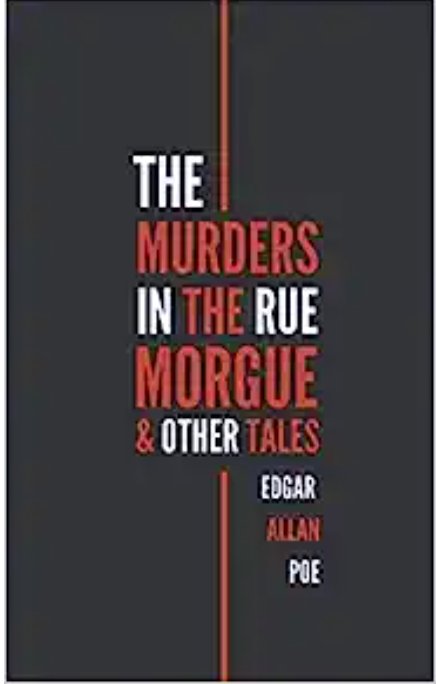
Marking the birth of detective fiction, the C. Auguste Dupin stories, including “The Murders in the Rue Morgue,” showcase Poe’s knack for mystery and deduction. These tales are not just puzzles to be solved; they delve into the human intellect’s capacity to navigate the complexities of truth and justice, setting the stage for future generations of detective stories.
4. The Pit and the Pendulum, by Edgar Allan Poe
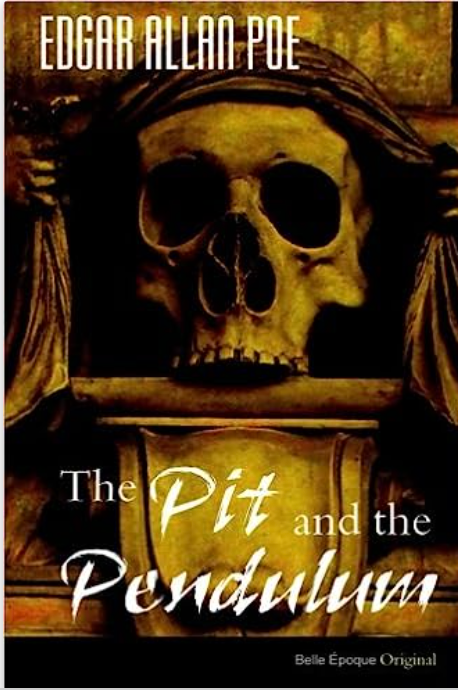
This collection of stories showcases Poe’s versatility in exploring the gothic and the grotesque. “The Pit and the Pendulum,” in particular, is a harrowing narrative of a prisoner’s experience with torture during the Spanish Inquisition, emblematic of Poe’s fascination with fear, torture, and the unknown.
Related: Most famous Edgar Allan Poe Poems
5. The Masque of the Red Death, by Edgar Allan Poe (Author), Russell Lee (Editor)
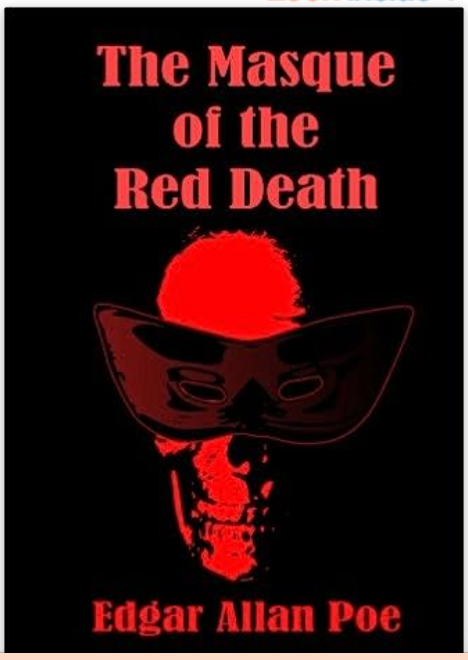
A stark commentary on mortality and the futility of escapism, this story follows a prince who isolates himself and his court from a deadly plague, only to find death inescapable. The tale is a vivid allegory for the inevitability of death, with the “Red Death” serving as a relentless reminder that no wealth or power can shield one from the end.
6. The Cask of Amontillado, by Edgar Allan Poe (Author)
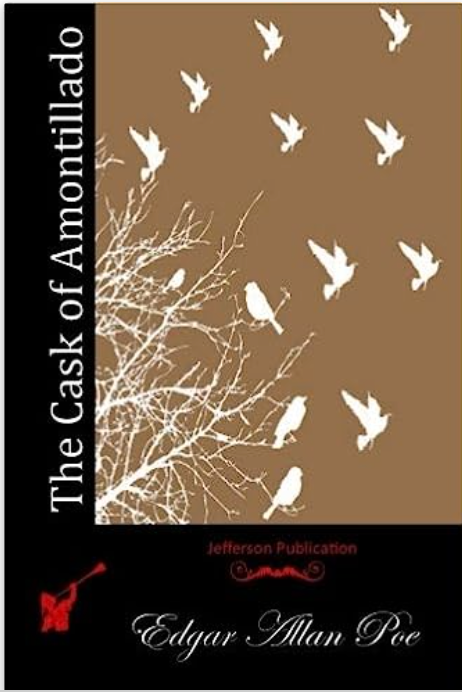
A chilling narrative of revenge, this story delves into the dark corners of the human psyche, exploring jealousy, pride, and the lengths to which one might go to achieve retribution. Through the calculated and cold-blooded vengeance of Montresor against Fortunato, Poe unravels a tale of cruelty and the macabre satisfaction derived from enacting the perfect crime.
Final thoughts
Edgar Allan Poe’s contributions to literature extend far beyond the surface of mere entertainment or the thrill of the macabre. His stories and poems are intricate studies of the human condition, reflecting the complexities of fear, loss, love, and redemption. Through his exploration of the darkest aspects of life and the human psyche, Poe invites us to confront our own fears and insecurities. His works serve not only as masterpieces of Gothic literature but also as timeless reflections on the universal themes that continue to resonate with readers around the world.