
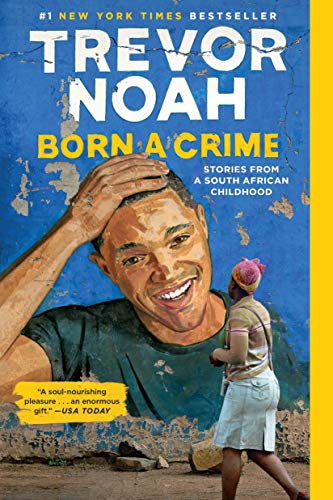
Welcome to our book club discussion on Trevor Noah’s acclaimed memoir, Born a Crime: Stories from a South African Childhood. This thought-provoking and engaging memoir chronicles Noah’s life growing up as a mixed-race child during apartheid and post-apartheid South Africa.
Through a series of poignant and often humorous stories, Noah shares his unique perspective on race, identity, family, and the resilience of the human spirit.
As we dive into this compelling narrative, we have compiled a list of book club questions designed to spark meaningful conversations about the themes, insights, and experiences portrayed in Born a Crime.
We hope these questions will enrich your understanding of the book and encourage reflection on the broader social and historical context within which Trevor Noah’s story unfolds.
For an extended summary of the book, check out Born A Crime Summary and Takeaways
Born A Crime book club questions
1. How does Trevor Noah’s upbringing during apartheid and post-apartheid South Africa shape his perspective on race and identity? How does this perspective inform his career as a comedian and host of The Daily Show?
2. Discuss the role of Trevor’s mother in his life. How do her faith, resilience, and determination influence Trevor’s personal growth and outlook on life?
3. How does the memoir explore the concept of identity, particularly for individuals who do not fit neatly into racial or cultural categories? In what ways does Trevor struggle with his identity, and how does he ultimately come to terms with it?
4. How does Trevor Noah use humor as a tool for coping with and understanding his experiences? Can you think of specific instances in the book where humor plays a significant role in the narrative?
5. Born a Crime provides insight into the consequences of apartheid on South African society. Discuss the ways in which the legacy of apartheid is evident in the stories Noah shares. How do these stories contribute to a broader understanding of the impact of apartheid on individuals and communities?
6. Language plays an essential role in Trevor’s life, allowing him to navigate various social and cultural contexts. Discuss the significance of language and communication in the memoir, and consider the ways in which language barriers and connections shape Trevor’s experiences.
7. Examine the theme of survival throughout Born a Crime. How do Trevor and his family adapt to their circumstances and find ways to survive in a world marked by poverty, violence, and discrimination?
8. How do the stories in Born a Crime contribute to a greater understanding of the complexities and challenges of growing up in a racially segregated society? Discuss the ways in which the memoir encourages readers to empathize with and learn from others’ experiences.
9. Throughout the memoir, Trevor Noah shares stories of hardship, struggle, and resilience. Which moments or events in the book resonated with you the most, and why?
10. How does Born a Crime challenge stereotypes and preconceived notions about race, culture, and identity? In what ways does the memoir promote dialogue and understanding across racial and cultural boundaries?
11. What can Born a Crime teach readers about the importance of personal narratives and storytelling in fostering empathy and understanding among people from diverse backgrounds?
12. After reading Born a Crime, how has your perspective on South Africa, apartheid, and racial issues evolved? Are there any specific lessons or insights from the book that you found particularly impactful?
Concluding thoughts
In conclusion, Born a Crime is an inspiring memoir that speaks to the power of resilience and hope. Trevor Noah’s powerful story encourages readers to reflect on their own experiences, while also prompting meaningful dialogue about larger social issues related to race, identity, and belonging. We hope these book club questions have helped spark conversation about this profound work of literature.